This step-by-step guide will help you define your goals and navigate the path to finding the right coach.
If you're here, you're thinking about hiring a coach.
As a founder, how do you decide:
If you need a coach?
What kind of coach you should work with?
How to find the right coach?
After interviewing over 1,600 executive coaches and performance psychologists, and matching dozens of Series A to C founders to one of the 48 coaches in our network, we've learned what it takes for founders to find and engage the right coach, and our goal here is to share those insights with you in a step-by-step guide.
After identifying a few coaches you’re interested in, there are two steps to determine if the relationship is a mutual fit. First, assess their qualifications; then, evaluate if they're the right personal fit for you. You can incorporate this into the consultation call by using the first half for an interview and the second half for a simulated coaching session.
At a high level:
Schedule a 60 minute consultation
Vet for quality in the 1st half
Vet for fit in the 2nd half
Afterwards, reflect on:
Your mood/energy change
Green/yellow/red flags you heard
you’ll need to vet for quality and fit by:
Scheduling a series of 60-minute consultations with your top choices.
Making note of your mood and energy before the consultation.
Using the first 30 minutes to ask the coaches a series of questions to gauge their personality, experience level, focus areas, etc.
Using the last 30 minutes to ask the coaches about a specific challenge you’re facing and simulate a coaching session with them.
Looking for green, yellow, and red flags during these conversations.
Reflecting on your mood and energy after the consultation.
Schedule Consults with Your Top Choices
Many founder and executive coaches offer free or low-fee consultation calls as part of their process. These calls are typically scheduled over email and are usually held on Zoom or over the phone for 30 minutes. They’re a valuable way for both parties to gauge whether they can work well together before committing to a formal coaching arrangement.
Assess Your Mood Before/After the Call
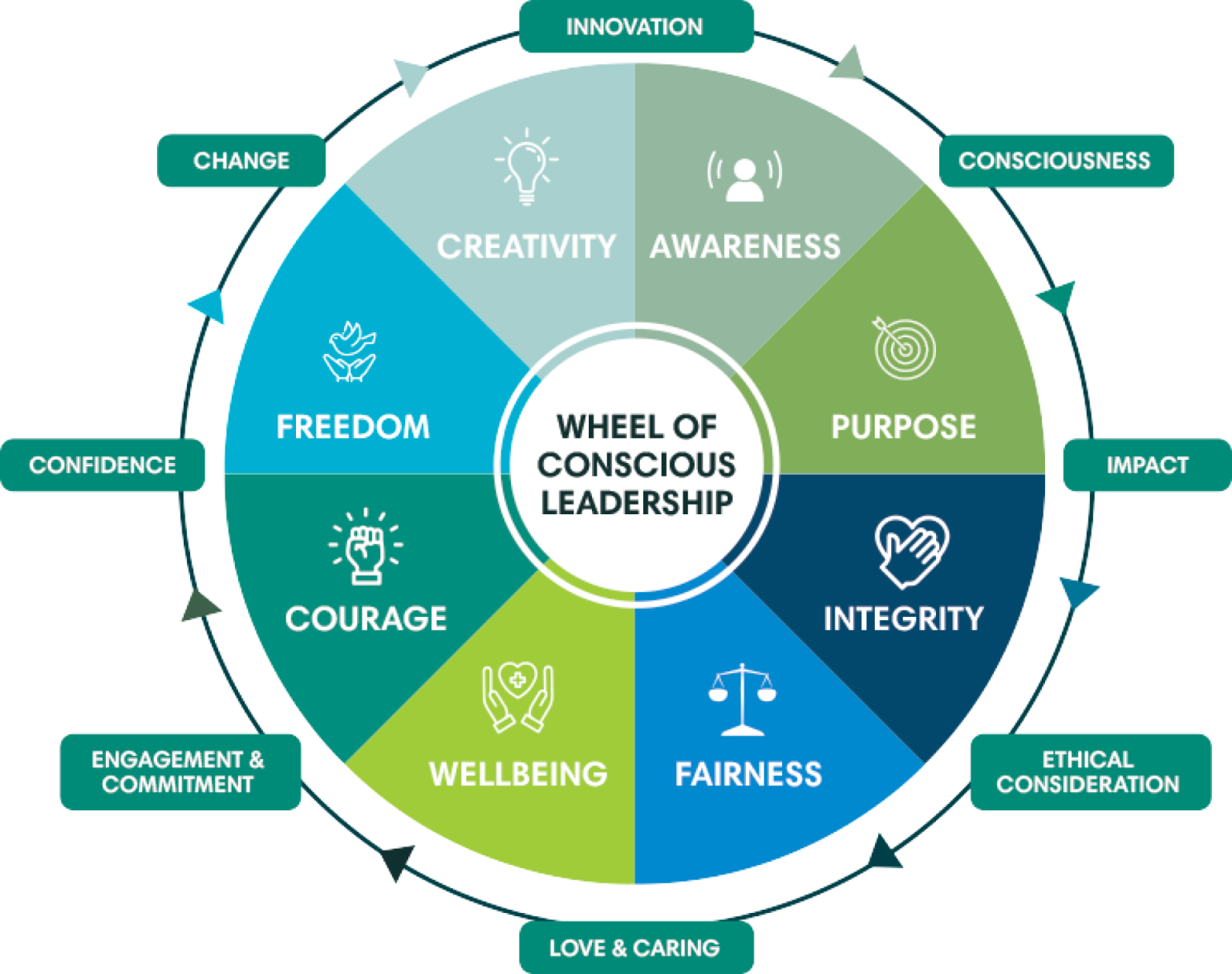
It’s important to get a sense of how this coach makes you feel before and after a session. Remember, we’re using these consultation calls as test coaching sessions. Before you jump onto a call, reference the 8 C’s of conscious leadership to reflect on your mindset before the coaching session.
Reflect on the difference between how you felt before and after your call with the coach.
Specifically, after the call, do you feel more:
Calm - do you feel more centered?
Clarity - do you feel clearer about how to solve a problem?
Curiosity - did the call bring about new perspectives/questions?
Compassion - can you see a situation better from someone else’s POV?
Confidence - are you less afraid and more fearless?
Courage - are you more likely to take the action that you need to take?
Creativity - did the conversation bring about new ideas/solutions?
Connectedness - do you feel more motivated by your mission/team?
Calmness - a physiological and mental serenity regardless of the circumstances
Each 'C' stands for a quality associated with effective leadership. Assign a percentage to each quality based on your current feelings. For instance, you might say, "I feel 50% connected right now" or "I feel 100% confident at the moment."
Pose the Most Important Questions
Once you hop onto the call, set aside the first 15 minutes for the interview portion. You can ask them the most relevant questions to you.
Coaching Experience:
How many years have you been coaching full-time?
How many clients have you coached during this time?
What has been the average duration of engagements?
What do clients they have taken on typically have in common?
Professional Background:
What professional experiences from your past most inform your coaching day-to-day?
What notable accomplishments from those experiences most assist in your coaching?
Focus Areas with Clients:
What are the most common problems/issues/topics you work on with clients?
Which of these are you most passionate about personally?
How do you define success for their clients on [the topics that matter most to me]?
Coaching Methodologies:
What methodologies or frameworks do you use to inform their coaching?
What are the core beliefs as a coach that drive your work?
Do you have any formal training or certifications?
Client Caseload:
How many clients do you currently work with?
What is the % breakdown in terms of: company stage, title/position, founders vs non-founders, VC-backed vs bootstrapped, technical vs non-technical, first-time vs second-time founders?
Past Success Stories:
What have been your greatest coaching success stories so far?
At what stage did you start vs stop working with these successful clients?
What progress was made on the individual and company level while working together?
How They Charge/Work:
What/how do you charge for coaching?
How frequent are sessions?
What availability do you have between sessions?
Do you begin coaching engagements with a 360 review, either via live interviews or async surveys?
As you’re learning more about them, make note of any green, yellow, and red flags throughout the call:
Green Flags (positive signs):
They are certified.
They conduct a 360 assessment while onboarding.
They focus on context, not content.
They are vetted and come from a trustworthy source.
They have had a client base or possess background experience relevant to your role or company.
They conduct a trial to provide a consultation to ensure it’s a personality match from both ends.
They use data to measure their coaching effectiveness.
They maintain a small caseload to ensure each client receives the highest quality of experience.
Previous clients attribute their success to working with this coach.
They abuse their power. They seem power hungry / get a hard on for vulnerability.
They do not believe in using data to vet the effectiveness of their coaching methods.
They are more of a media personality than an active executive coach.
Present a Problem
Use the remaining 15 minutes to evaluate the fit by presenting a current issue and observing the coach’s approach to it. Focus the discussion on one of the issues you've identified and assess how the coach handles it. Consider the following:
Jeffrey Stump from a16z recommends founders ask themselves the following questions when vetting fit with a coach:
Finding the Problem:
What methods do they use to ask questions?
How do they gather information from you?
In what ways do they provide feedback?
How do they reframe or rephrase issues to enhance understanding?
Finding the Solution:
Do they present various tactical approaches to address the problem?
How do they assist you in making discoveries or finding answers?
Personality and Style:
Do you feel confident that the coach genuinely cares about your success?
How did they build rapport and establish a connection with you?
What was their energy level like, and does it align with yours?
Assess Your Mood After the Call
Reference the 8 C’s of conscious leadership again to reflect on your mindset after the coaching session. Ideally, the session should leave you feeling clearer, calmer, and more confident.
What’s next
Even if you feel highly confident about one particular coach, it’s still valuable to speak with several. Coaches have different approaches, and you won’t know which one suits you best until you’ve explored multiple options. After evaluating your choices, it’s time to select the coach you want to work with. We’ll cover how to make that decision in the next section.
What is holding you and your company back from the next stage of growth?